LIPOSUCTION SURGERY
Liposuction is a cosmetic procedure used to remove unwanted body fat. It is sometimes referred to as “lipo” by patients, and its aim is to slim and reshape specific areas of the body by removing excess fat deposits and improving body contours and proportion.
Advantages of liposuction
Both men and women undergo liposuction to achieve a variety of different goals, mostly to alter body shape with long-lasting results. Liposuction is carried out on areas of the body where deposits of fat tend to collect, such as the buttocks, hips, cheeks, thighs and belly. But liposuction can also be done with other plastic surgeries, including facelifts, breast reductions, and tummy tucks.
It works best for people who are a normal weight and in areas where the skin is tight. Liposuction surgery is not a treatment for obesity or a substitute for proper diet and exercise regime. It is also not an effective treatment for cellulite — the dimpled skin that typically appears on the thighs, hips and buttocks — or loose saggy skin.
Maybe the most important advantage of the liposuction technique is that it usually takes only one treatment to reshape problem areas. It can treat more areas—and larger areas—in one procedure and may be performed with either local or general anesthesia. It has more consistent and predictable result than noninvasive treatments.
Ideal candidates for a liposuction procedure
Liposuction is a surgical procedure, and risks come with it. So one needs to be in good health to undergo it. Also, you’ll want to have realistic expectations since liposuction can’t get rid of cellulite or saggy skin. You should consider this procedure if you:
- have excess fat deposits on your hips, belly, thighs, neck or chest that won’t respond to diet or exercise;
- feel like certain areas are out of proportion with the rest of your figure;
- have good skin elasticity (firm, elastic skin);
- are at or near your desired body weight (within 30% of your ideal weight)
- do not smoke
Steps you need to take
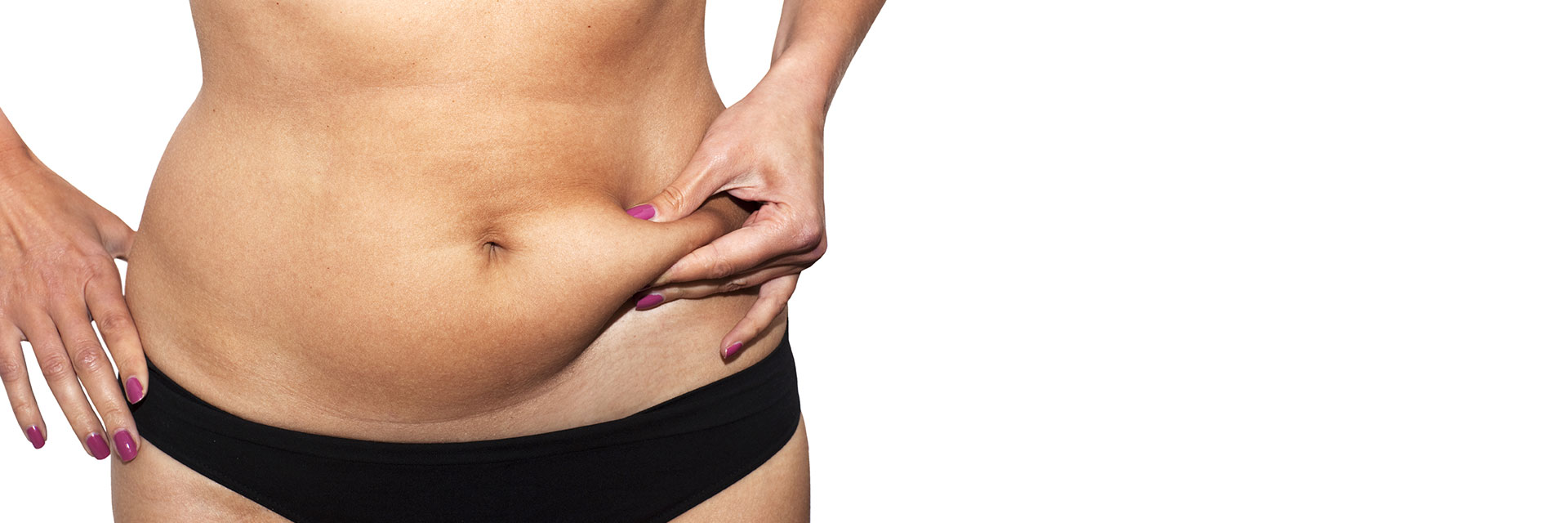
The first step is to consult with your surgeon. You should talk about your goals, the options, the risks and benefits, and the costs. Ask all your questions.
If you decide to go ahead with liposuction, your surgeon will give you instructions on how to prepare for the procedure. These may include diet and alcohol restrictions. You should inform your surgeon about any allergies you have and any medications you take (including over-the-counter and herbal supplements). You might need to stop taking certain meds, such as blood thinners and certain painkillers several weeks before surgery.
You should also research the surgeon who is going to carry out the operation. Try to find out how many liposuctions they’ve performed, were there any complications, and what sort of follow-up you should expect if things go wrong.
The procedure
Liposuction is usually carried out under general anesthesia although an epidural anesthetic may be used for liposuction on lower parts of the body.
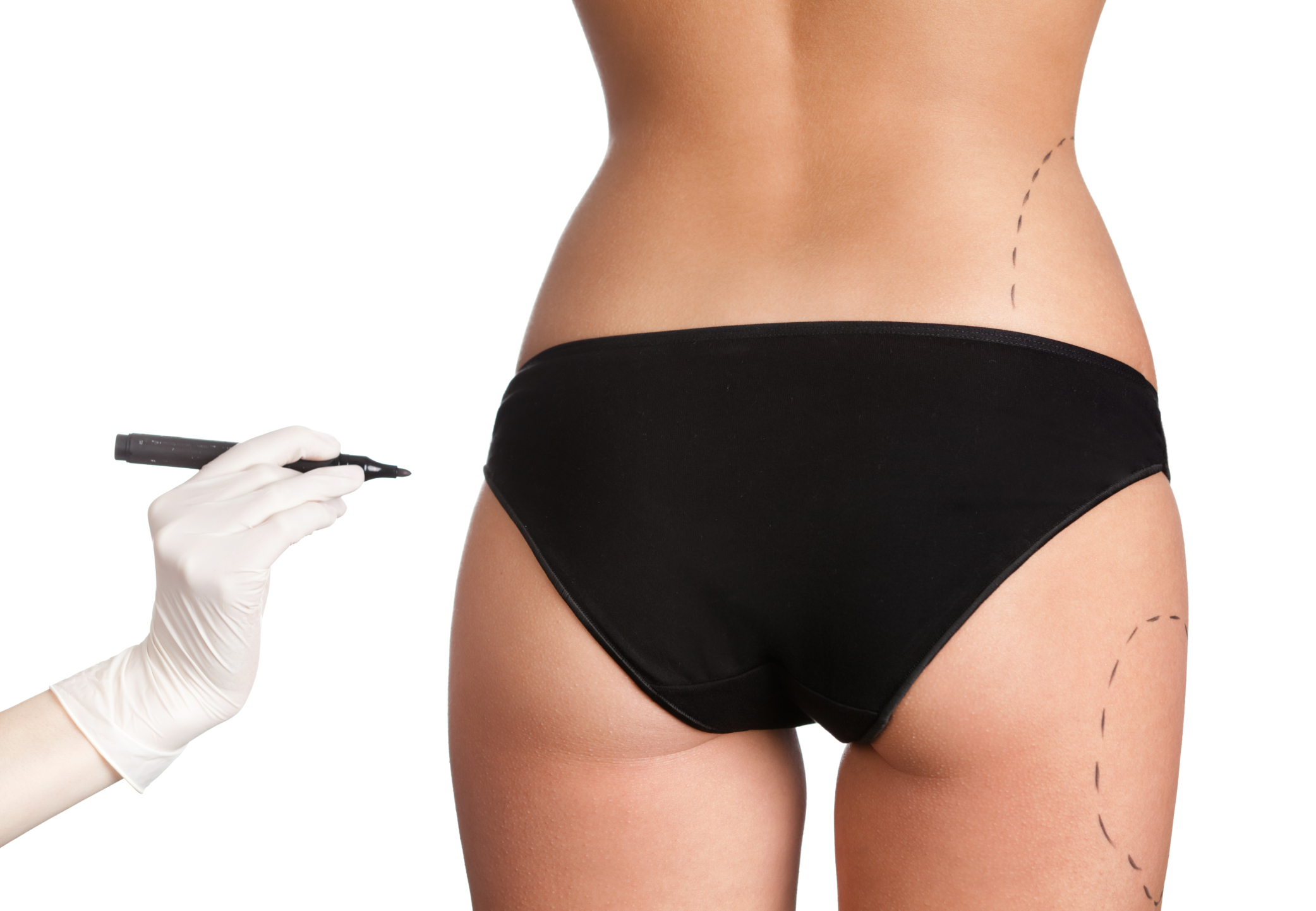
Before the procedure surgeon would mark on your body the area where fat is to be removed. Then, he or she would inject this area with a solution containing anesthetic and medication to reduce blood loss, bruising and swelling. Next phase includes breaking up the fat cells using high-frequency vibrations, a weak laser pulse or a high-pressure water jet. Through a small incision, a suction tube attached to a vacuum machine would be inserted and moved back and forth to loosen the fat and suck it out. At the end of the procedure, any excess fluid and blood would be drained, and for the final stage, the surgeon will stitch up and bandage the treated area.
The procedure usually takes one to three hours. Most people need to stay in the hospital overnight. After the procedure, you’d be fitted with an elasticated support corset or compression bandages. This is to reduce swelling and bruising and should be worn for several weeks after the operation. Also, you may need to take antibiotics straight after the procedure to reduce the risk of infection and most people also take mild painkillers to ease any pain and swelling.
Laser liposuction is one of many advances in liposuction surgery since it uses laser energy (lasers heat the fat, turning it semi-soft and making it easier to remove via liposuction). People with mild to moderate amounts of excess fat and skin laxity may be good candidates for laser fat removal. Ultrasonic liposuction, on the other hand, is a type of fat loss procedure that liquefies fat cells before their removal. This is done with the guidance of an ultrasound combined with ultrasonic waves to target fat cells. This type of cosmetic surgery is also known as ultrasound-assisted liposuction (UAL).
Recovery
Today’s advanced liposuction techniques are designed to minimize swelling, trauma and discomfort, and when the procedure is performed by a qualified surgeon, recovery from liposuction can be remarkably quick - usually within about two weeks (If a small area was treated, you may be able to return to work within a few days. If it was a large area, you may need up to 10 days off work to recover).
You’d need to avoid strenuous activity for up to four weeks. The final results of the procedure aren’t always noticeable until the swelling has gone down (it can take up to six months).
Liposuction removes fat cells from your body, and these fat cells will not grow back. However, it is important to maintain a stable weight.
Long lasting effects
Balance, proportion and contour are fundamental elements of an attractive human form. Using liposuction, a surgeon can sculpt a better shape to almost any area of the body, achieving dramatic improvements with subtle changes. When performed by a qualified cosmetic surgeon, liposuction is a safe procedure and an excellent way to improve the shape of your body.
How much is liposuction (cost)
Liposuction price is important, but it is not the most important factor to considering lipo surgery – the surgeon’s expertise and experience are probably more important than finding the cheapest liposuction surgeon. Factors that determine how much the liposuction costs include the size of the patient, amount of time and effort required of the surgeon, cost of anesthesiologist’s services, operating room fees, laboratory fees and other related expenses (elastic compression garments, etc.).
Plastic surgeon prof. Dr Milan Jovanovic
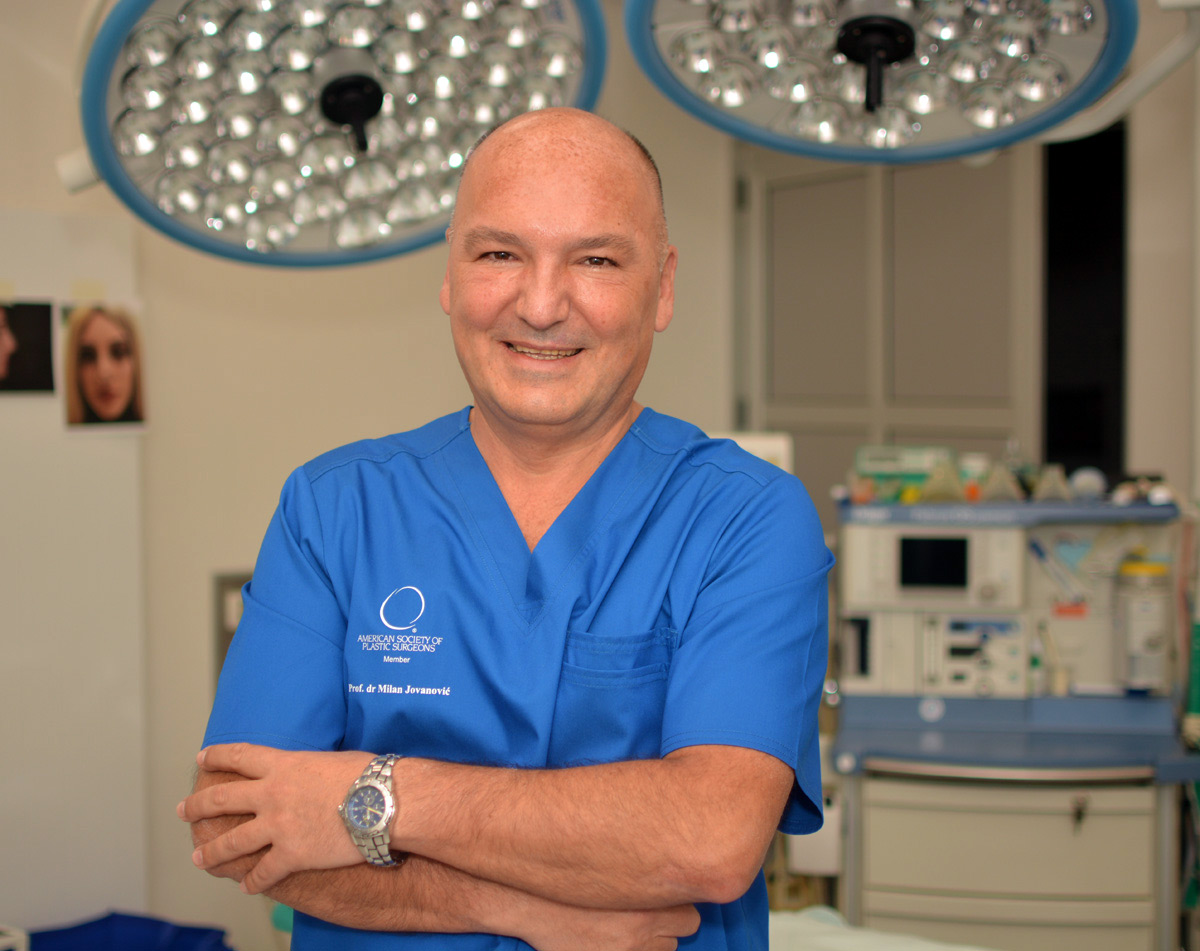
Prof. Dr Milan Jovanovic is a specialist in plastic reconstructive and aesthetic surgery. As a surgeon with 27 years of surgical experience, Dr Jovanovic is one of the best experts in anti-ageing, plastic, reconstructive and aesthetic surgery in the region.
He is a professor at the Faculty of Medicine, University of Belgrade, where he teaches general education to students of the fifth year, as well as at the postgraduate education for doctors who specialize in the field of plastic, reconstructive and aesthetic surgery. He is the Head of the Department of Plastic, Reconstructive and Aesthetic Surgery at the Faculty of Medicine, University of Belgrade.
Others About Us

Prof. Dr. Jovanovic and his team made me feel welcome and at ease. I had liposuction of fat and glandular tissue to correct gynecomastia, and I also had a few moles removed - all under local anesthesia. It was not the most pleasant experience (just mildly uncomfortable - I suggest taking an oral sedative beforehand). Most importantly, however, the results are outstanding. I am very happy that I found Prof. Dr. Jovanovic, and I am happy to give him my highest recommendation. Thanks Prof. Dr. Jovanovic
Michael, USA
MI OPINION SOBRE LA ATENCION HOSPITALIARIA Y POR LA ATENCION PROFECIONAL. MI OPINION SOBRE LA ATENCION DEL CIRUJANO ES EXCELENTE Y NO TENGO PALABRAS PARA A GRADECERLE LA FORMA QUE ME A ATENDIDO,ES UNA PERSONA HUMILDE,ATENTO, Y MUY PROFECIONAL CON TU TRABAJO,. QUE ESTA LAS 24 HORAS PENDIENTE DE SU PACIENTE.,SI TENGO QUE RECOMENDAR LO HARIA SIN DUDARLO . SOBRE EL SERVICIO HOSPITALARIO COMO LOS ENFERMEROS, PERSONAL DE LIMPIEZA, RECEPCIONISTA TAMBIEN EXCELENTE ... LO UNICO SI ES DE MODIFICAR ALGUNA INSTALACIONES DEL HOSPITAL, COMO LAS ESCALERAS DEL SECTOR DE CIRUGIAS, Y EL MANTENIMIENTO EN GENERAL DEL HOSPITAL. APROVECHO PARA MANDAR UN SALUDO CORDIAL. AL DOCTOR JOVANOVIC . ATENTAMENTE.
Josefina Segovia Gonzalez de España, Spain, Madrid
Dr. Hirurg preformed a tummy tuck on me June 11,2015. I have come from the United States on the recommendation of a friend to Dr. Hirurg. His competency is above 100%. I received complete and accurate information. Everything was done in a timely manner. I found him compassionate and concerned for me and my recovery from my first consultation through my full recovery. In the States a tummy tuck is an sameday surgery. You have surgery and go home after the recovery room. Dr. Hirurg plan is a 3 day stay in his clinic where the surgery is done and after the recovery room I stayed in a hospital room for three days with my knees up and two j.p.tube for drains. I was place in front of the nursing station, which made me feel very safe. I have been a smoker for 10 years. After recover I had a respiratory: distress episode. Dr. Hirurg was called. I had the anesthologist and ICU nurse at the bedside until it was successfully resolved. When I left the clinic I had no tubes. In the states I would have gone home with the tubes. I had dressing changes by my doctor 3times a week until all my stitches were all out. I would recommend Dr. Hirurg with a 10 of 10 recommendation. Thank you Dr. Hirurg
Laurene Faulkner, USAHospital for plastic and aesthetic surgery
Health institution General Hospital – Medical System Belgrade – MSB is a system which combines all medical and dental specialties.
Exceptional and complete services in the fields of anti-ageing, plastic, reconstructive and aesthetic surgery are provided by the Center for Aesthetic Surgery MSB (Medical System Belgrade). Along with the necessary safety, quality, comfort and discretion, our main goal is – a satisfied patient.
Contact info
- Maglajska 30, Beograd
- 7:00 AM - 11:00 PM (Mon-Sun)
- +381 11 266 26 50
- +381 11 367 42 64
- +381 63 397 661
- plasticnihirurg@gmail.com
- www.plasticnaestetskahirurgija.com
- www.plasticcosmetic-surgery.net